Technology is all around us and woven into nearly every part of our lives. Children are not excluded from this. Technology influences how children learn, communicate, play, form relationships, and understand the world around them. For many parents, this creates a difficult tension. How do we protect our children without parenting from fear and control? How do we allow them to benefit from technology without leaving them to navigate its risks alone? I believe there is a balanced path forward. It begins with recognizing that our children move throughout each day between physical and digital spaces and they need our presence and guidance in both.
Does Digital Parenting Have to Be All or Nothing?
Parents can feel as though they have only two options: reject technology completely or accept that unrestricted digital access is simply part of growing up today.
Some families may believe that withdrawing from the digital world is the only way to remain safe. Others may feel pressured to permit certain devices, games, or platforms because “everyone else is using them.” Neither extreme gives parents much confidence and neither recognizes the important role parents still have.
Technology does not have to be embraced without question or rejected entirely. Parents can appreciate its benefits while also establishing boundaries, asking questions, and paying attention to what their children encounter online.
This balanced approach is not about controlling every moment. It is about walking alongside our children with wisdom and intentionality. Our children still need the same parenting in their digital lives that we already provide in their physical lives.
Technology Opens Both Opportunities and Risks
Technology has created remarkable opportunities for children. They can explore new interests, develop skills, communicate with people they love, access educational resources, and discover possibilities that previous generations could not have imagined.
But access to those opportunities can also open the door to risks that are difficult for parents to see. Influences have always existed in the physical world, but the digital world gives them unprecedented access to children and often with greater speed, reach, and privacy. Social media, gaming, artificial intelligence, online relationships, and unlimited information can influence children’s thoughts emotions, choices, and relationships… even while they are sitting safely inside the family home.
This creates a difficult developmental mismatch. Children are entering an enormous digital landscape before they possess adult level judgment for navigating everything they may encounter there. With this in mind, it is important to recall basic human development. For example, the prefrontal cortex, which supports planning, prioritizing and decision making is still maturing throughout adolescence.
This is not a criticism of children or teenagers. they are exactly where they are supposed to be developmentally. It does mean, however, that knowing how to operate a device or platform is not the same as possessing the wisdom to use it safely. Children are not miniature adults. Allowing them to navigate the digital wilderness alone as if they are adults, is not looking out for their best interest. They need the same things online that they need in the physical world: instruction, modeling, appropriate guardrails and the steady presence of a trusted adult.
Technology itself is not the enemy. The concern is not that the digital door to the digital wilderness exists, but that children may be walking through it without the guidance they still need.
This awareness does not require us to fear every new development, and wisdom does not require us to ignore genuine risks. Parents can acknowledge both the opportunities and the dangers while helping their children navigate the digital world thoughtfully and safely.
Your Presence Is the Guardrail
Children do not need parents who understand every app, recognize every trend, or control every digital interaction. They need parents who are present.
Presence means awareness of both the good and the danger of digital use. We also need to add listening to our children intentionally without immediately reacting, asking who they communicate with, showing interest in what they enjoy online, and making it safe for them to talk about something uncomfortable. It also includes age-appropriate supervision and boundaries.
The goal is not to stand over our children in fear or monitor every step they take. It is to walk alongside them with enough awareness to offer guidance, perspective, and wisdom. They may understand devices and platforms better that most adults around them, but technical knowledge cannot replace the relationship they have with a trusted parent. When we listen, remain curious, and talk through what they encounter, our presence tells them that we care enough to enter their digital world not just so we can say ‘no’ but to help them understand, exercise caution, and model how to make wise choices. The same relationship we build with them in the physical world must extend into the digital one, so they know they never have to navigate the digital wilderness alone. And that kind of presence can begin sooner than we think.
A Simple Place to Begin
As you consider these realities, you may be recognizing that your children need you to become more present in their digital world. That awareness is an important step, but you do not have to change every technology habit in your home today. Choose one area where your family’s technology use could benefit from greater awareness, conversation or connection, and begin there, together.
I created the free Digital Family Checkup as a practical tool to help families notice what is working, identify possible concerns, and begin meaningful conversations.
Down the free Digital Family Checkup here: https://app.paperbell.com/checkout/packages/231063
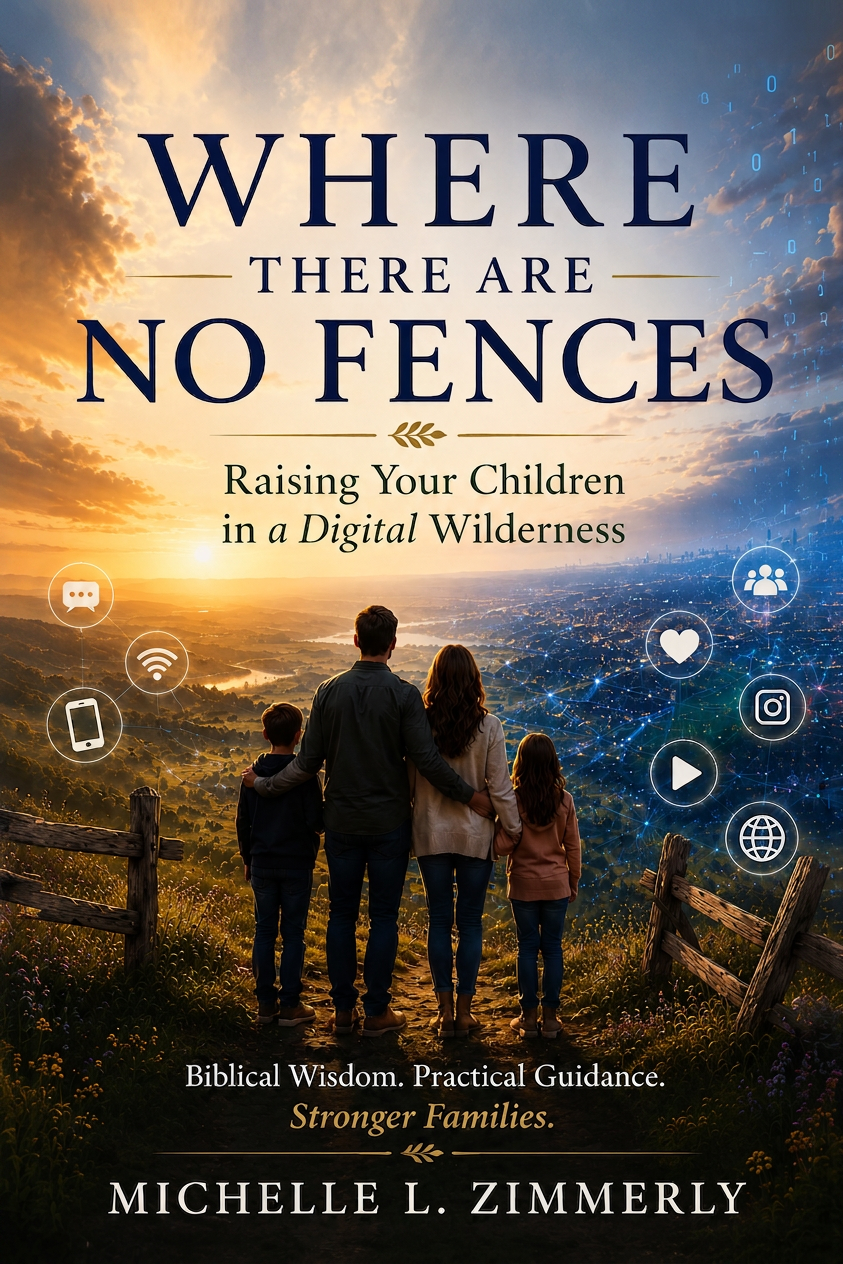
If you would like to explore the message of this blog more deeply, my book, Where There Are No Fences draws on research, real-life stories, biblical principles, and my experience working with teens and families. My hope is that it will encourage you to become the present, confident guide your children need.
Find Where There are No Fences on Amazon: https://a.co/d/06jmJpRr
 Forward by Design Coaching
Leave a comment